
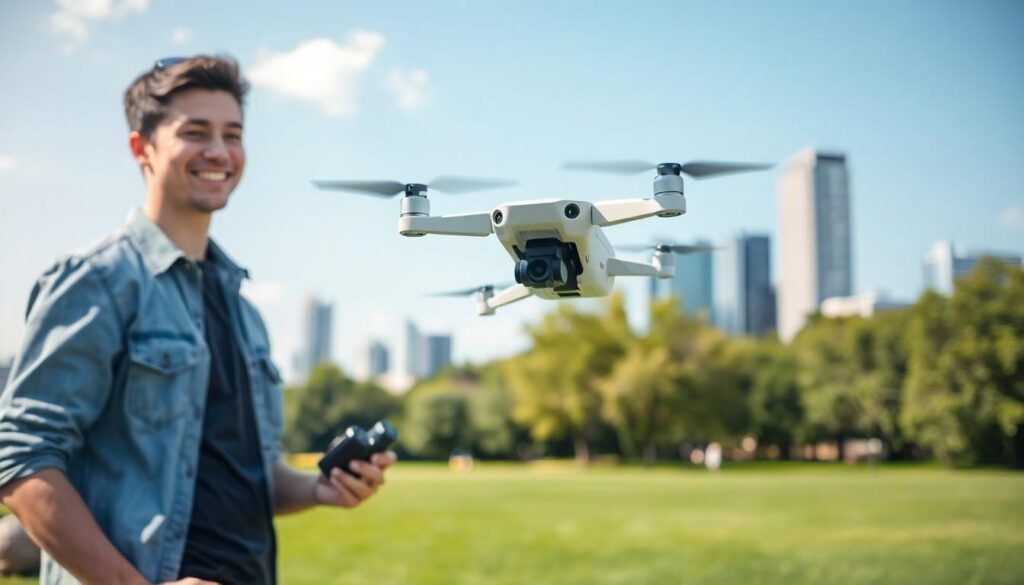
Imagine a world where your personal drone whisks you away from the mundane grind of daily life. No more traffic jams or crowded buses—just you and your trusty flying companion soaring above it all. Personal drones for humans aren’t just a futuristic dream; they’re becoming a reality, offering a taste of freedom that would make even the most seasoned bird envious.
These high-tech marvels are not just for capturing stunning aerial selfies or delivering snacks (though who wouldn’t want a pizza from the sky?). They promise to revolutionize how we travel, explore, and connect with our surroundings. Whether you’re a thrill-seeker or a tech aficionado, personal drones are here to elevate your life—literally! Buckle up and prepare for takeoff, because the future of personal transportation is about to get a whole lot more exciting.
Overview of Personal Drones for Humans
Personal drones represent a groundbreaking shift in how individuals navigate their environments. These compact flying machines promote convenience and efficiency in transportation. Models vary significantly in size, capabilities, and features, catering to diverse user needs.
Drones are designed with safety features such as obstacle avoidance and GPS tracking, enhancing user confidence. Many models include high-resolution cameras, enabling users to capture stunning aerial views during their journeys. Some personal drones offer automated flight modes, allowing users to enjoy the experience without needing advanced flying skills.
Current advancements in battery technology extend flight times, making longer travels possible. Additional features like voice control and app integration simplify operation, appealing to tech-savvy users. Users can choose models that accommodate both solo adventures and tandem flights, enhancing social experiences.
Prices for personal drones range widely, with budget-friendly options starting around $200 and high-end models exceeding $1,000. The new regulatory frameworks in various countries facilitate the use of personal drones, ensuring safety and compliance. Manufacturers like DJI and Skydio continue to innovate, pushing the boundaries of drone technology.
Overall, personal drones open unprecedented avenues for transportation, especially in urban environments. Enthusiasts find immense value in their versatility, making these drones a desirable asset for those who crave freedom in travel and exploration.
Types of Personal Drones
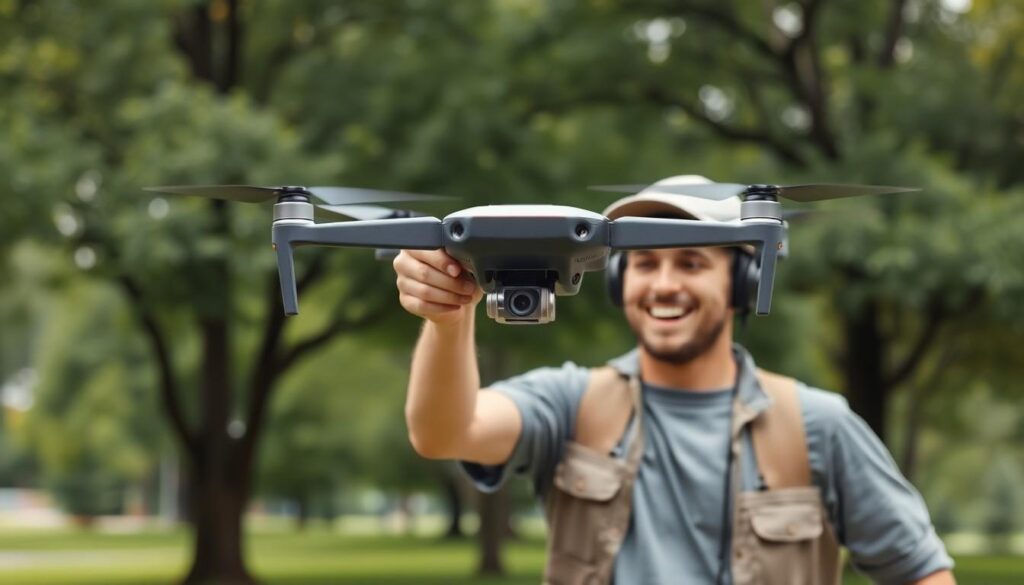
Personal drones come in various types, each designed to meet specific user needs. Understanding these types helps consumers and professionals choose the right drone for their purposes.
Consumer Drones
Consumer drones serve recreational and hobbyist markets, offering user-friendly features. These models typically include easy-to-use controls, making them ideal for beginners. Flight time often ranges from 20 to 30 minutes, depending on the model. Prices generally start around $200, making these options accessible to many. High-resolution cameras on consumer drones enable stunning aerial photography and videography. Popular models like the DJI Mini series showcase portability and ease of transport, appealing to travelers and outdoor enthusiasts. Safety features, such as GPS and obstacle avoidance, enhance usage in crowded or unfamiliar environments.
Professional Drones
Professional drones cater to various industries, including real estate, agriculture, and film production. Advanced functionalities define these devices, offering longer flight times that can exceed 40 minutes. Prices often start at $800, targeting professionals with specialized needs. High-quality cameras and advanced imaging technology enable detailed inspections and high-level cinematography. Additionally, many models feature customizable payloads, allowing users to attach specific equipment. Drones like the DJI Matrice series stand out in this segment, delivering performance and reliability for technical applications. Integration with software solutions improves data processing in commercial uses, enhancing overall workflow efficiency.
Key Features to Consider
Selecting a personal drone involves evaluating several important features that enhance the user’s experience and ensure satisfaction. Understanding these features helps make an informed choice for varied applications.
Battery Life
Battery life plays a crucial role in determining a drone’s usability. Many consumer drones offer flight times between 20 to 30 minutes, which may suffice for basic exploration and recreational use. High-end models, however, provide extended flight durations exceeding 40 minutes. Longer battery life reduces downtime for recharging, allowing users to maximize their exploration time. Evaluating options within the price range between $200 and $1,000 reveals differences in battery performance. Some manufacturers offer additional batteries for purchase, enhancing the overall flying experience.
Camera Quality
Camera quality significantly affects the appeal of personal drones. High-resolution cameras, typically ranging from 12MP to 48MP, enable stunning aerial photography and videography. Models designed for consumers often feature cameras focusing on capturing beautiful landscapes, while professional drones prioritize superior imaging capabilities for filmmaking and commercial use. Some drones even support 4K video recording, providing exceptional clarity and detail. The inclusion of gimbals stabilizes footage, ensuring smooth results even in windy conditions. Ultimately, the chosen model should align with the intended use and desired output quality.
Safety Features
Safety features enhance user confidence while piloting personal drones. Many modern drones incorporate obstacle avoidance systems, which help prevent collisions with objects during flight. GPS tracking provides an added layer of security, allowing users to monitor their drone’s location and facilitate recovery if it strays out of sight. Geofencing capabilities restrict flights in no-fly zones, promoting compliance with aviation regulations. Moreover, emergency landing protocols allow drones to safely land in unexpected situations. Assessing these features is essential for ensuring safe operation, especially for novice users.
Popular Models on the Market
Various models of personal drones cater to different user needs and preferences. This section highlights two popular models that exemplify advanced features and capabilities.
DJI Mini Series
The DJI Mini Series stands out for its compact design and lightweight build. Weighing under 250 grams, these drones offer exceptional portability, making them ideal for travel. Users appreciate their intuitive controls that allow for easy takeoff and landing. Flight times typically reach up to 30 minutes, providing ample opportunity for exploration. High-resolution cameras capture stunning 12MP images and 2.7K video, which appeal to photography enthusiasts. Safety features like GPS-based positioning and obstacle detection enhance confidence during flight. As a result, the DJI Mini series remains a top choice for both beginners and experienced users.
Parrot Anafi
Parrot Anafi presents another excellent option in the personal drone market. It features a unique 180-degree tilt gimbal, enabling users to capture images from various angles. Users often praise its 4K HDR video capabilities and 21MP camera for producing high-quality content. Typical flight times extend up to 25 minutes, matching many competitors in the market. Weighing around 320 grams, its lightweight design promotes easy transport. Additionally, it includes features like programmable flight paths, allowing for creative shooting options. Due to its versatility, the Parrot Anafi attracts adventure seekers and mobile content creators alike.
Personal drones are reshaping the way individuals experience travel and exploration. With their ability to bypass traffic and provide stunning aerial views, they offer a unique blend of convenience and adventure. As technology continues to evolve, these drones will likely become even more accessible and user-friendly, catering to a broader audience.
The advancements in safety features and battery life enhance their appeal, making them suitable for both novices and seasoned enthusiasts. Whether for recreational use or professional applications, personal drones are set to revolutionize personal transportation. As they gain popularity, they’ll undoubtedly play a pivotal role in how people navigate their environments in the future.


