In a world where your toaster might just be plotting to take over your breakfast routine, the Internet of Things (IoT) is revolutionizing manufacturing like never before. Imagine machines that not only talk to each other but also know when they need a little TLC—or worse, when they’re about to throw a tantrum. With IoT, factories are becoming smarter, more efficient, and yes, a tad bit sassier.
Overview of Internet of Things in Manufacturing
The Internet of Things revolutionizes the manufacturing sector by connecting machines and devices through the internet. Sensors installed on equipment provide real-time data on performance, leading to improved decision-making processes. Automation plays a critical role in reducing human error and enhancing precision.
Manufacturers utilize IoT to streamline operations and lower costs. Smart factories leverage connected devices to monitor production lines continuously. Predictive maintenance emerges as a key benefit, allowing companies to address issues proactively, reducing downtime significantly.
Data analytics enables manufacturers to analyze trends and optimize processes. When production data is collected and assessed, organizations can identify inefficiencies and implement improvements quickly. Integration of IoT platforms fosters collaboration across teams, enhancing communication and problem-solving capabilities.
Supply chain management benefits from IoT through enhanced visibility. Real-time tracking of shipments ensures timely deliveries and reduces waste. Furthermore, enhanced inventory management systems maintain optimal stock levels, minimizing excess inventory costs.
Emphasis on cybersecurity remains vital as IoT adoption grows. Protecting data and systems from potential cyber threats ensures operational integrity. Companies should invest in security protocols, ensuring that connected devices are safeguarded against vulnerabilities.
Overall, the integration of Internet of Things technologies transforms manufacturing processes into smarter, more efficient systems. By harnessing the power of connectivity, manufacturers position themselves for sustainable growth in a competitive landscape.
Benefits of Internet of Things in Manufacturing
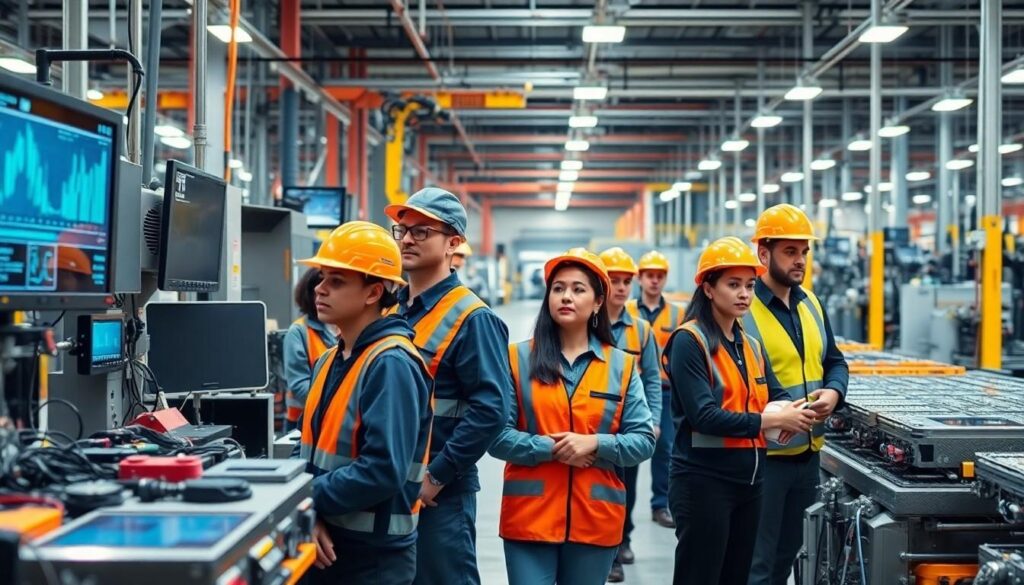
The Internet of Things (IoT) significantly enhances manufacturing processes. Numerous advantages arise from its implementation, notably increased efficiency and cost reduction.
Increased Efficiency
IoT devices collect data on machine performance and operational conditions. Real-time insights help identify bottlenecks and streamline workflows. Automation of routine tasks reduces human involvement, allowing employees to focus on complex issues. Predictive maintenance alerts teams before equipment failures occur, minimizing disruptions. Enhanced connectivity between devices fosters better coordination. Improved data analytics support quicker decision-making, leading to optimized production schedules. Overall, efficiency gains contribute directly to higher output and improved quality control.
Cost Reduction
Implementing IoT leads to substantial cost savings across various manufacturing stages. Predictive maintenance minimizes unexpected downtime and lowers repair costs. Energy consumption becomes more efficient as IoT systems monitor usage in real-time, allowing for adjustments. Reduced waste through streamlined processes translates to lower operational expenses. Supply chain visibility helps avoid excess inventory, optimizing storage costs. Integrating IoT solutions can also extend equipment lifespan, thereby decreasing capital expenditures. By adopting IoT technologies, manufacturers achieve sustainable cost management without sacrificing productivity.
Key Technologies Involved
The Internet of Things integrates several key technologies in manufacturing, enhancing efficiency and productivity. These technologies include sensors, actuators, and cloud computing, all of which play vital roles in the IoT ecosystem.
Sensors and Actuators
Sensors gather real-time data from machines and the manufacturing environment. They monitor temperature, pressure, and other critical variables. Actuators respond to this data, enabling automated actions such as adjusting machinery or managing inventory levels. Together, these components create a feedback loop that drives operational improvements. For instance, monitoring equipment vibrations can predict potential failures, allowing proactive maintenance. This proactive approach minimizes downtime and optimizes productivity.
Cloud Computing
Cloud computing provides the infrastructure for processing and storing large volumes of data generated by IoT devices. This technology enables manufacturers to leverage advanced analytics and machine learning for decision-making. By using cloud services, organizations can access data from anywhere, facilitating collaboration among teams. Scalability becomes more manageable, as businesses can adjust resources based on demand. Moreover, cloud platforms often include security features that protect sensitive data, crucial in an increasingly connected manufacturing landscape.
Challenges and Considerations
Adopting the Internet of Things in manufacturing presents several challenges and considerations that companies must address for successful implementation.
Security Concerns
Security risks increase as manufacturers adopt IoT technologies. Sensitive data flows between machines and systems, exposing vulnerabilities to cyberattacks. Strong encryption methods and access controls help mitigate these threats. Continuous monitoring and regular updates to security protocols reinforce protective measures against potential breaches. Organizations must train employees on security best practices to enhance overall preparedness. Constant vigilance and the implementation of layered security strategies ensure that manufacturing processes remain safeguarded from evolving cyber threats.
Integration with Existing Systems
Integrating IoT solutions with existing systems proves challenging for many manufacturers. Diverse legacy systems often lack compatibility with modern IoT technologies. A comprehensive assessment of current infrastructures helps identify integration points and gaps. Investing in middleware solutions enhances data flow between old and new systems. Such investments optimize operational efficiency by enabling seamless communication across technologies. Proper planning and execution reduce friction, allowing a smoother transition into an IoT-driven manufacturing environment.
Future Trends in Internet of Things in Manufacturing
Integration of artificial intelligence (AI) into IoT systems is gaining traction. AI enhances data analysis, enabling predictive maintenance to become even more accurate. Automation advancements increase productivity, minimizing the need for manual intervention in manufacturing processes.
Adoption of edge computing is on the rise, allowing data processing closer to the source. This shift reduces latency, resulting in quicker decision-making capabilities. Increased connectivity through 5G technology offers manufacturers robust communication networks, supporting a greater number of connected devices without performance loss.
Sustainability initiatives are being prioritized within IoT strategies. By optimizing energy consumption and reducing waste, manufacturers can achieve greener operations. Enhanced supply chain visibility through IoT enables more efficient inventory management, aligning with the growing demand for sustainability.
Collaborative robots, or cobots, are increasingly common in smart factories. These robots work alongside human operators, boosting efficiency while enhancing safety. Manufacturers can leverage cobots to perform repetitive tasks, allowing human workers to focus on more complex operations.
Cybersecurity will remain crucial as IoT adoption expands. Enhanced security protocols and continuous monitoring will protect sensitive data and systems against cyber threats. Manufacturers must stay ahead of these risks to maintain trust and ensure operational integrity.
Finally, skills development for employees will take precedence. As technology evolves, workforce training will enable operators to adapt smoothly. Continuous education will ensure that employees can maximize the benefits of IoT technologies in manufacturing.
The Internet of Things is redefining the manufacturing landscape by making operations smarter and more efficient. As manufacturers adopt IoT technologies they’re not just enhancing productivity but also paving the way for sustainable practices. The integration of real-time data and automation reduces costs and minimizes downtime while improving quality control.
With the rise of advanced technologies like AI and edge computing the future looks promising. However the importance of cybersecurity cannot be overlooked. Manufacturers must prioritize security measures to protect their systems from emerging threats.
By embracing IoT manufacturers can stay competitive and foster innovation in their processes. The journey towards smarter manufacturing is just beginning and the potential for growth and improvement is limitless.