

In a world where farming is becoming more high-tech, crop dusting drones are taking the spotlight, and for good reason. These flying marvels are like the superheroes of agriculture, swooping in to save the day with precision and efficiency. Forget about the old-school methods of crop dusting that required a pilot and a bumpy ride; these drones are here to make farming not just easier but a whole lot cooler.
Imagine a drone zipping through the skies, spreading nutrients and pesticides with laser-like accuracy. It’s like having a tiny, high-tech farmer that never gets tired. As the agricultural landscape evolves, embracing these gadgets isn’t just smart; it’s essential. Dive into the world of crop dusting drones, where innovation meets efficiency, and discover how they’re reshaping the future of farming, one aerial swoop at a time.
Overview of Crop Dusting Drones
Crop dusting drones streamline the application of pesticides and fertilizers in agricultural practices. Precision and efficiency define their operation, marking a significant advancement in modern farming techniques.
What Are Crop Dusting Drones?
Crop dusting drones are unmanned aerial vehicles specifically designed for aerial application of agricultural products. Equipped with advanced technology, these drones can cover large areas quickly, ensuring even distribution of chemicals. Many models integrate GPS and sensors, which enhance accuracy and guide targeted treatments. Drones allow farmers to monitor crop health and adjust applications accordingly, reducing waste and improving yields.
Importance of Crop Dusting in Agriculture
Crop dusting plays a vital role in maximizing crop productivity and maintaining plant health. Efficient application of pesticides prevents pest infestations and diseases, directly impacting yield quality and quantity. Utilization of drones minimizes labor costs and reduces the environmental footprint associated with traditional methods. Furthermore, timely interventions facilitated by drones can lead to healthier crops and better harvests, ensuring food security in a growing global population.
Types of Crop Dusting Drones
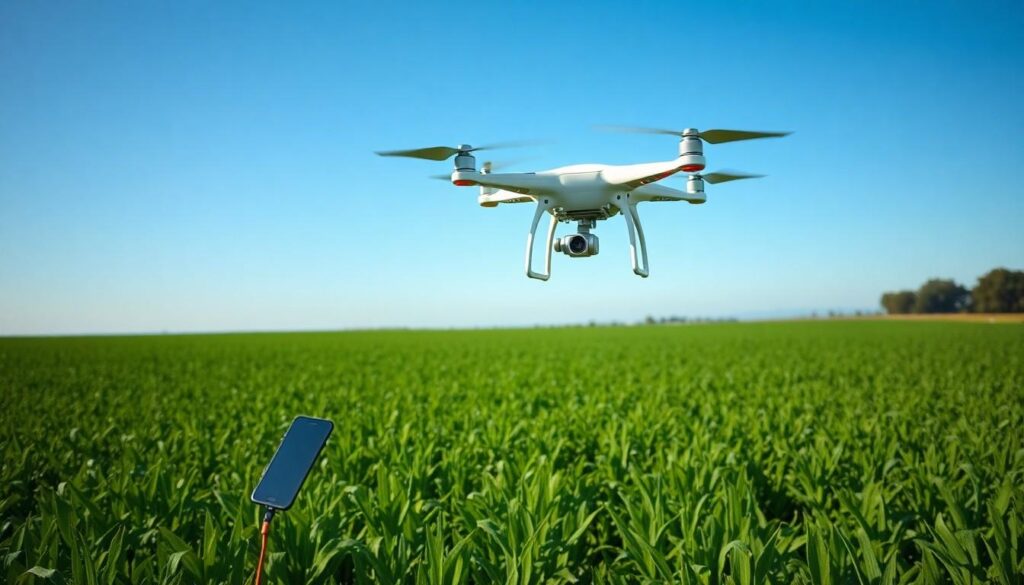
Crop dusting drones come in various types, each designed to meet specific agricultural needs.
Fixed-Wing Drones
Fixed-wing drones excel in covering vast areas quickly. They typically feature longer flight times, enabling them to spread materials over expansive fields without frequent recharging. Equipped with large payload capacities, these drones carry significant volumes of pesticides or fertilizers. Their ability to fly at higher altitudes helps reduce drift, ensuring precise application while minimizing waste. Additionally, fixed-wing drones often utilize advanced mapping technologies for detailed flight path planning, allowing for efficient coverage of uneven terrain.
Multi-Rotor Drones
Multi-rotor drones offer versatility for smaller, more intricate agricultural tasks. They maneuver well in tight spaces and provide the ability to spray products with pinpoint accuracy. Their vertical takeoff and landing capabilities make them suitable for diverse environments. Designed with multiple rotors, these drones can hover in place, enabling detailed inspection of crop health. Payloads on multi-rotor drones are usually smaller than fixed-wing counterparts, but their speed and agility often compensate for this limitation. Furthermore, their user-friendly designs facilitate ease of operation for farmers of all skill levels.
Benefits of Using Crop Dusting Drones
Crop dusting drones deliver numerous advantages that greatly enhance agricultural practices. These innovations significantly improve various aspects of farming, fostering a more productive environment.
Increased Efficiency
Increased efficiency stands out as a primary benefit. Drones can cover large areas in shorter periods, applying fertilizers and pesticides evenly across fields. Farmers observe reduced time spent on aerial applications, allowing for timely interventions that promote healthier crops. Also, automated flight paths enable precise delivery of agricultural products, minimizing overlaps and ensuring complete coverage. Enhanced monitoring of crop health allows farmers to identify issues promptly, further boosting productivity. Consequently, these efficiencies yield higher crop outputs, which directly impacts farm profitability.
Cost-Effectiveness
Cost-effectiveness emerges as another key advantage. By decreasing labor costs associated with traditional spraying methods, drones reduce the need for extensive manpower. Savings on chemicals also occur, as drones reduce waste through targeted applications. Return on investment improves when farmers experience higher yields due to better pest control and nutrient distribution. Additionally, drones require less fuel than ground equipment, lowering operating expenses. Greater precision in applications means farmers can better manage their resources, ultimately leading to more sustainable farming practices.
Challenges and Considerations
Crop dusting drones present several challenges along with their benefits. Understanding these challenges is crucial for successful implementation in agriculture.
Regulatory Issues
Navigating the regulatory landscape poses a challenge for crop dusting drones. The Federal Aviation Administration (FAA) outlines specific guidelines for unmanned aerial vehicles, requiring certifications and adherence to safety standards. Compliance with local agricultural laws is essential, as regulations may differ by state. Farmers must also consider liability issues that arise from aerial applications, particularly in densely populated areas. Ensuring adherence to these rules minimizes legal risks and promotes safe operations, allowing farmers to utilize these technologies confidently.
Technical Limitations
Crop dusting drones face several technical limitations that impact their functionality. Payload capacity often restricts the amount of agricultural products they can carry; multi-rotor drones typically support lower weights compared to fixed-wing drones. Battery life becomes another limiting factor, as shorter flight times reduce operational efficiency during large applications. Additionally, adverse weather conditions can hinder drone performance, affecting precision and safety during flight. Integrating advanced technology, such as better sensors and improved battery systems, remains vital for overcoming these limitations and enhancing efficiency in crop dusting.
Crop dusting drones are reshaping the agricultural landscape by introducing precision and efficiency that traditional methods lack. As farmers embrace these advanced tools they not only enhance productivity but also contribute to sustainable practices. The ability to monitor crops and apply nutrients with accuracy reduces waste and improves yields, making farming more effective.
Despite the challenges posed by regulations and technical limitations the future of crop dusting looks promising. With ongoing advancements in drone technology farmers can expect even greater capabilities and benefits. As the agricultural sector continues to evolve adopting crop dusting drones will be crucial for those looking to thrive in a competitive market.


